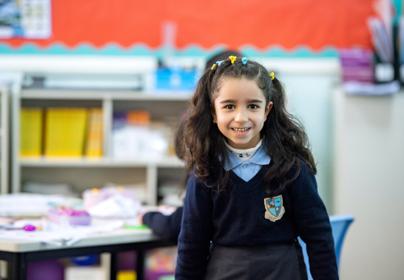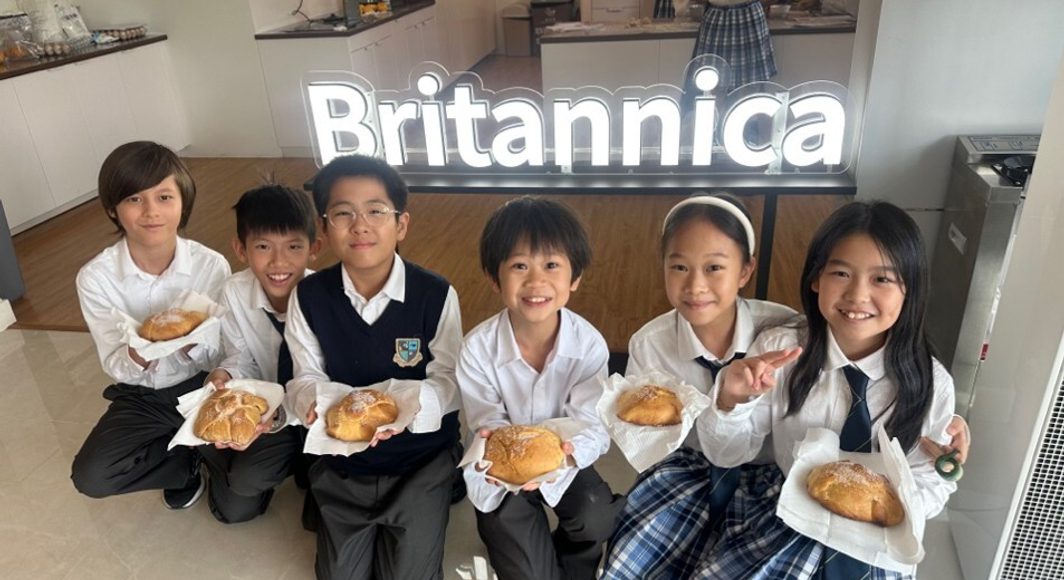
This week in Spanish lessons, all students have been exploring Halloween and discovering how this celebration compares with other traditions in Spanish-speaking countries, such as Día de los Muertos in Mexico. They have been learning about the cultural significance of these celebrations, exploring traditional customs and discovering how different communities honour these special occasions. To bring their learning to life, students have also enjoyed getting hands-on in the kitchen, preparing traditional dishes and experiencing the flavours of Hispanic culture!
This unit highlights why we see language learning as much more than grammar and vocabulary. Language and culture are closely linked, and many words and expressions carry meanings that a direct translation cannot fully capture. By learning about the customs, values and traditions behind a language, students develop a deeper understanding of how people communicate and see the world. This cultural awareness is essential for meaningful communication and helps students become more confident, empathetic and respectful global citizens.
Learning about other cultures also encourages students to reflect on their own traditions, recognise what different communities share and appreciate their differences. These experiences help challenge stereotypes, foster curiosity and develop respect for others. In an international school community like ours, these qualities are particularly important in preparing students to live, study and work in an increasingly interconnected world.
We also believe that learning is most meaningful when students can put their knowledge into practice. Hands-on activities, such as preparing traditional food, allow students to engage with a culture in a memorable and enjoyable way. By combining language learning with practical experiences, we bring the subject to life, encourage active participation and help students make connections that extend beyond the classroom.
Spanish is one of the world's most widely spoken languages, with official status in around 20 countries, making it a valuable skill for future study, travel and career opportunities. Learning a language also strengthens memory, listening skills, problem-solving and the confidence to communicate in unfamiliar situations. Ultimately, our aim is not simply for students to learn to speak another language, but to help them develop the cultural understanding, open-mindedness and communication skills they need to thrive as global citizens.
Cristina Ortiz Zurita
Deputy Head of Secondary