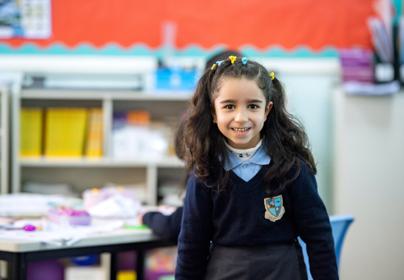
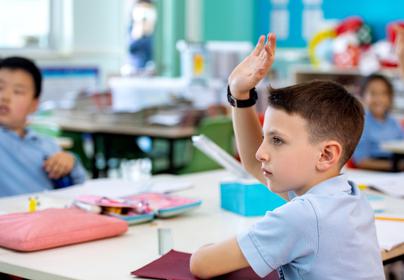
In this week’s assembly, we heard presentations from over 30 students and staff showcasing their unique cultures. By sharing traditions, languages and stories, our classrooms become more inclusive spaces where diverse identities are recognised and valued. These cultural exchanges broaden perspectives, challenge stereotypes, and build empathy. These are key attributes of responsible global citizens. Such experiences help young people develop the understanding and respect needed to engage thoughtfully in an increasingly interconnected world.
Next week, we will host our annual Culture Week, where students will have the opportunity to investigate a new language taught by our teachers, who speak a wide range of languages, including Afrikaans, Cymraeg (Welsh), Czech, or Romanian. We also celebrate British regional varieties such as Lowland Scots and Cockney rhyming slang. Exploring languages deepens cultural awareness and strengthens communication across communities. I am particularly keen to learn more about te reo Māori, the indigenous language of New Zealand, and how it reflects Māori traditions, values, and worldviews.
We are also delighted to welcome back the Café of Cultures, where everyone can take part in a variety of multicultural activities and sample wonderful foods from around the world. From past experience, this is a firm favourite among staff and students alike, sparking lively discussion and new friendships. By prioritising assemblies, language learning, and cultural events, the school actively nurtures empathy, inclusion, and global citizenship—preparing young people to thrive in a diverse world while celebrating the rich identities within our own community.