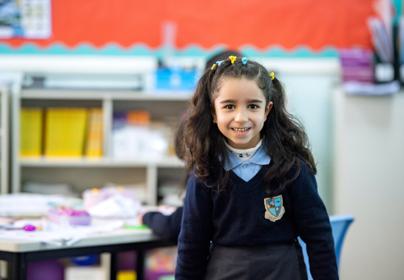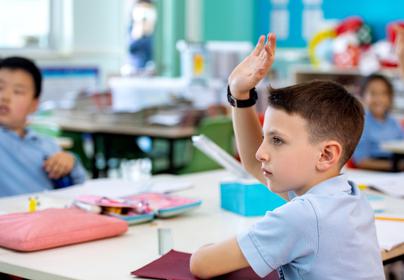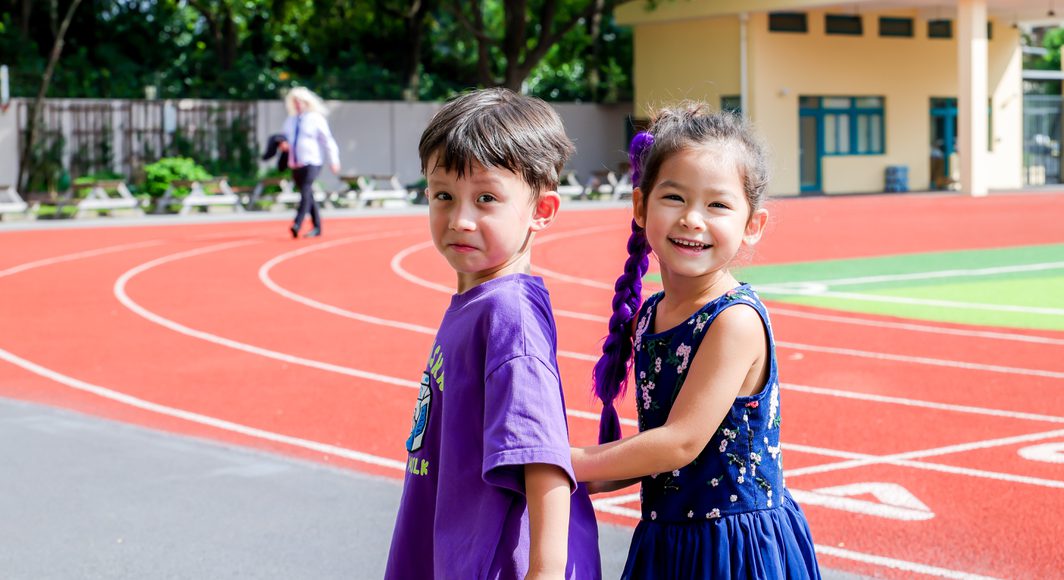
In the early years, children from 18 months to 5 years old are learning how to manage their feelings, handle everyday challenges, and become more confident in what they can do. Two essential parts of this journey are self-regulation and independence. Self-regulation is the ability to pause, calm down, and respond in ways that help them cope and get along with others. Independence is the growing ability to do things for oneself, starting with small manageable tasks and building skills over time.
At Britannica International School, our Early Years department believes in providing the space and time children need to practice the critical aspects of their personal, social and emotional development. Young children experience big feelings and naturally need help to manage them safely. When children learn to regulate, their days become smoother: they transition more easily between activities, participate more confidently in play, and express frustration without escalation. It also strengthens social connections. Children who can settle themselves and ask for help appropriately are more likely to build positive friendships and feel secure in the classroom. Most importantly, self-regulation is not just “good behaviour” that children simply switch on, it is a skill that develops through practice, warmth, and consistent guidance.
Our teaching staff support self-regulation by creating predictable routines and using calm, respectful guidance. We help children process emotions through emotion coaching such as naming feelings and offering simple strategies to settle like breathing games, sensory breaks, or using a designated quiet space when needed. We prioritise connection over correction, knowing children learn regulation best when they feel safe and supported. Every milestone matters, so we celebrate small wins, whether that’s waiting a moment longer, using clear communication, or settling down with support after a strong emotion.
Independence training is woven into the everyday rhythm of our Early Years classrooms. Children practise independence through real tasks that matter to them, such as dressing, putting belongings away, tidying toys, serving snacks with supervision, and attempting routines step by step. We provide developmentally appropriate scaffolding, modelled demonstrations, visual cues, and encouragement that includes “try first, then help.” If a child struggles, we adjust the level of support rather than taking the task away completely.
Parents can strengthen these skills by establishing short, consistent mini-routines, choosing clothes, putting items in the right place with guidance, helping wipe spills, or carrying a cup safely with supervision. As children grow and become more capable, decide on tasks with them and give them a say in what they would like to help with. This "voice" lets them know they are important and the parent wants to meet them where they are, as well as foster more complicated independent tasks. When independence and self-regulation are practiced together with gentle support, children learn both confidence and control, ready for the next step in their learning and relationships.
When parents and educators work together, building these skills becomes a natural part of a child’s everyday rhythm. By offering patient guidance and daily opportunities to practice, we give children the confidence and resilience they need to thrive both inside and outside the classroom. Ultimately, supporting our children through these early years is a journey best taken one step at a time. Trust the process, enjoy the small wins, and remember that your calm presence is the strongest tool you have.