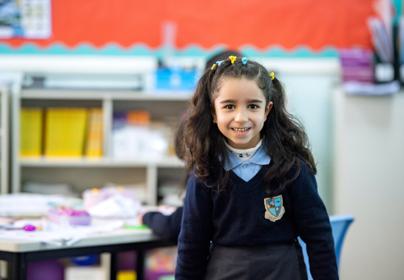
Building healthy habits from the very start of a child’s life plays a vital role in supporting their overall development and wellbeing. Within the Early Years Foundation Stage (EYFS), we recognise that the routines, attitudes and experiences children encounter in their early years help to shape lifelong habits. At Britannica, we are committed to creating a caring and supportive environment where children feel safe, valued and confident, allowing healthy habits to develop naturally through everyday experiences.
Healthy eating is an important part of early development and learning. In EYFS, children are encouraged to explore a wide range of foods through daily routines such as snack and mealtimes, cooking activities, stories and role play. These experiences help children to become familiar with different tastes, textures and cultures. Talking with children about where food comes from, how it is prepared and why it is important for keeping our bodies healthy and energised. Simple but meaningful routines, such as washing hands before eating, using cutlery independently and sitting together to enjoy food, support children in developing good hygiene practices, social skills and independence.
Physical activity is central to learning in the early years and is a key focus within the EYFS framework. Young children learn best through movement, exploration and play, which is why active learning is embedded throughout the day at Britannica. Children are given regular opportunities to be physically active both indoors and outdoors through activities such as running, climbing, balancing, dancing, cycling and imaginative play. These experiences help to develop strength, coordination, spatial awareness and confidence. Being active also supports children’s mental health, helping them to manage their emotions, reduce stress and improve concentration and sleep.
Emotional wellbeing is just as important as physical health in early years. In EYFS, we support children to recognise, understand and express their feelings in positive ways. Through stories, circle time, role play and everyday interactions, children learn to name emotions, develop empathy and understand how their actions affect others. At Britannica, good relationships between adults and children create a secure base where children feel confident to explore, take risks and develop resilience. Supporting emotional wellbeing at an early age helps children build self-esteem and prepares them for future challenges.


Healthy routines play a key role in helping young children feel secure and confident. Predictable daily routines help children understand what to expect and support them in managing transitions throughout the day. Regular times for eating, playing, learning, resting and tidying up encourage independence and responsibility. Children are supported to take care of their own needs, such as dressing, toileting and organising their belongings, helping them to develop essential life skills.
We recognise the importance of working in partnership with families to support children’s health and wellbeing. At Britannica, we value open communication with parents and carers and encourage consistency between home and school. Sharing information, offering guidance and celebrating children’s achievements together helps to ensure that healthy habits are reinforced in all areas of a child’s life.
By nurturing healthy habits from the very start, in line with the EYFS framework, we are supporting children at Britannica to become happy, confident and healthy learners. These early experiences provide strong foundations for lifelong wellbeing and prepare children for the next stages of their learning journey and beyond.
This week in Pre-Nursery, the children continued their exploration of polar animals and their environment. They enjoyed reading The Bear Who Went Boo! by David Walliams, which sparked engaging discussions about polar animals and the importance of being kind and not playing jokes on others. The children painted snowflakes using glittery, puffy snow and began working on an exciting igloo art project. They also sang “Baby Beluga” and created their own fake snow for a fun and engaging sensory activity. It was a fantastic week filled with fun, friendships and adventure.
In Nursery, the children have continued their journey through the exciting book The Curious Polar Bear. They are learning all about the fascinating animals that live in the Arctic, including playful seals, majestic walruses and the beautiful Arctic fox. It has been wonderful to see their vocabulary grow as they confidently use new words in their play and discussions. Nursery also explored their creativity by building igloos using blocks and a range of loose parts. This provided a great opportunity for children to work together, develop their physical skills and use their imaginations. In the science area, the children discovered how to make ice and were amazed to see how water changes as it freezes. They loved feeling how cold it was and talking about what they observed. It has truly been a week full of discoveries.
Reception continued to enjoy exploring the story Snow Thief. The children created their own story sequences and then made storyboards using the Tales Toolkit to support their storytelling. They labelled their storyboards with letters, words or sentences to describe their pictures, helping to develop their early writing skills. The children also had lots of fun learning about snowflakes, painting and exploring ice, and making sparkling snowflakes using glue and salt. To finish the week, they created their own snowstorm, which was very exciting. In maths, the children explored ordinal numbers and linked this learning to outdoor races, labelling positions as 1st, 2nd, 3rd and 4th, contributing to an active and engaging week of learning.