The Secondary residential trip to Inner Mongolia provided students with an enriching and memorable educational experience, combining cultural exploration with personal development. Residential trips form an important part of the school programme, fostering independence, resilience, and collaboration while extending learning beyond the classroom environment.
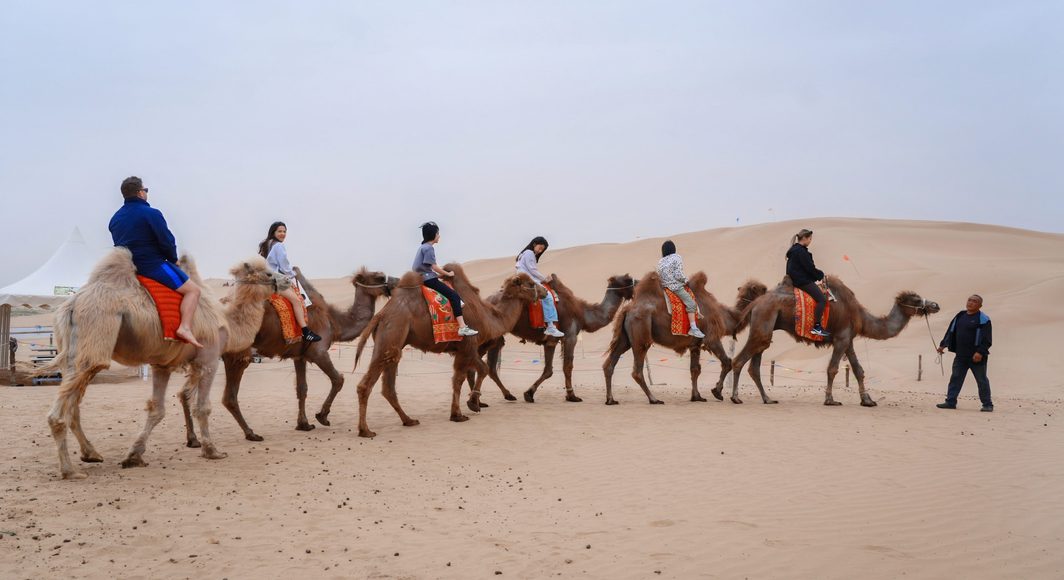
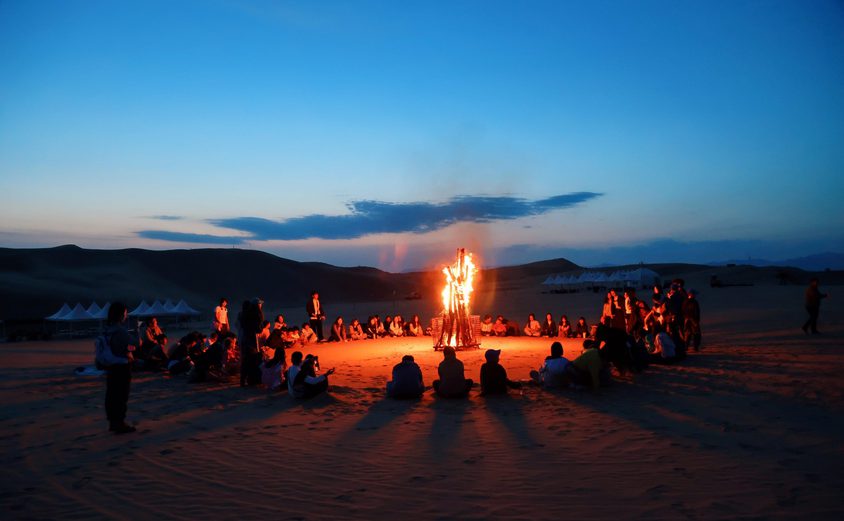
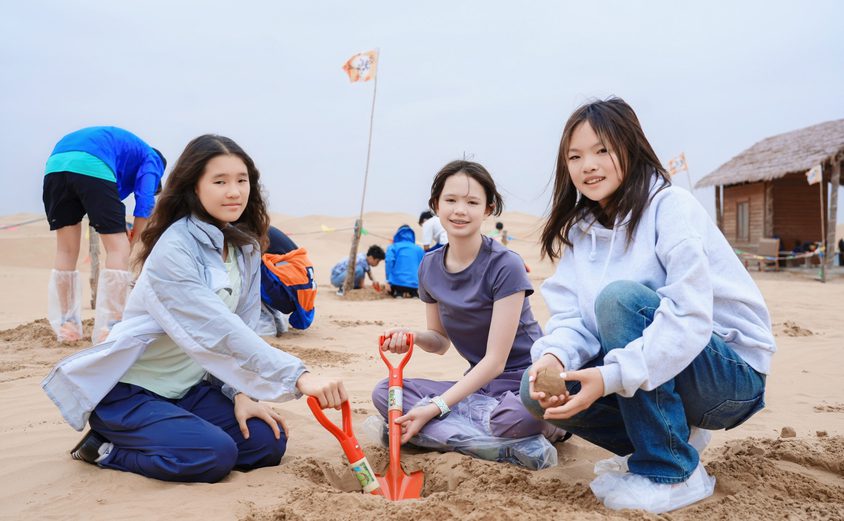
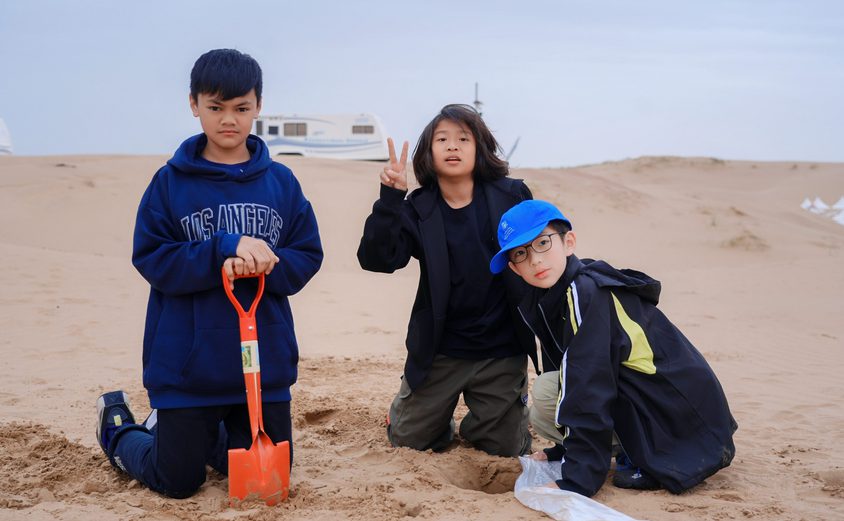
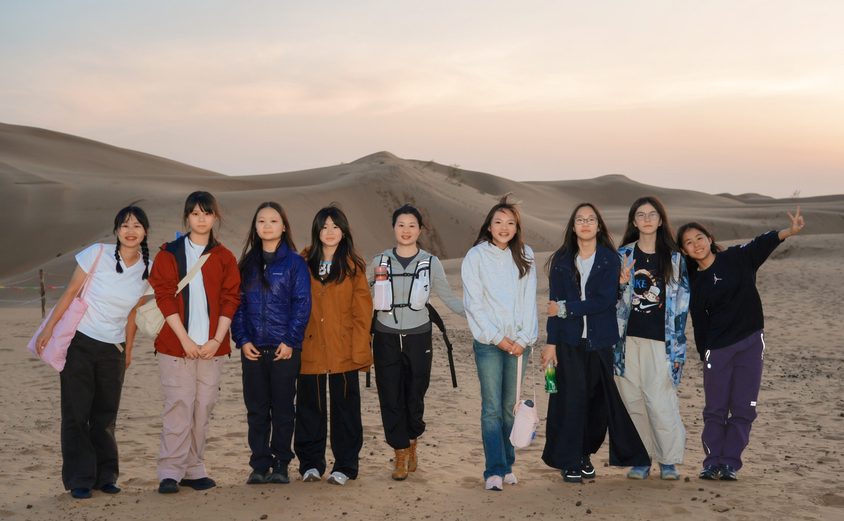
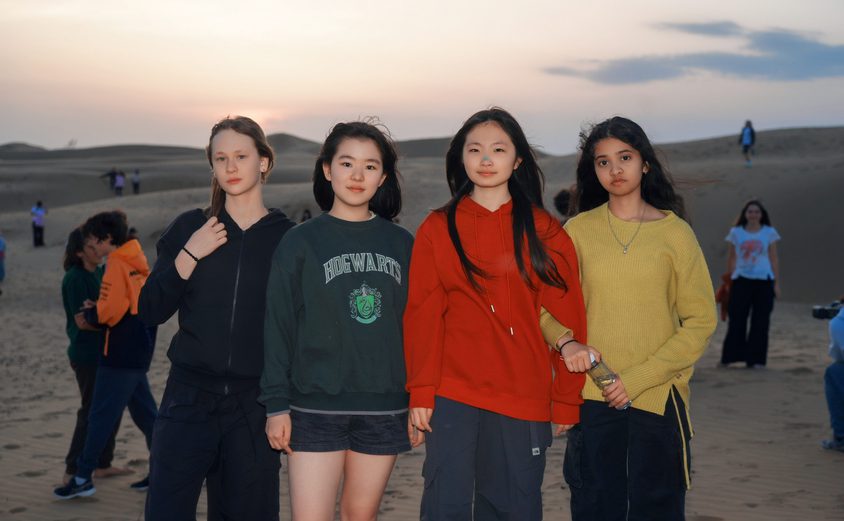
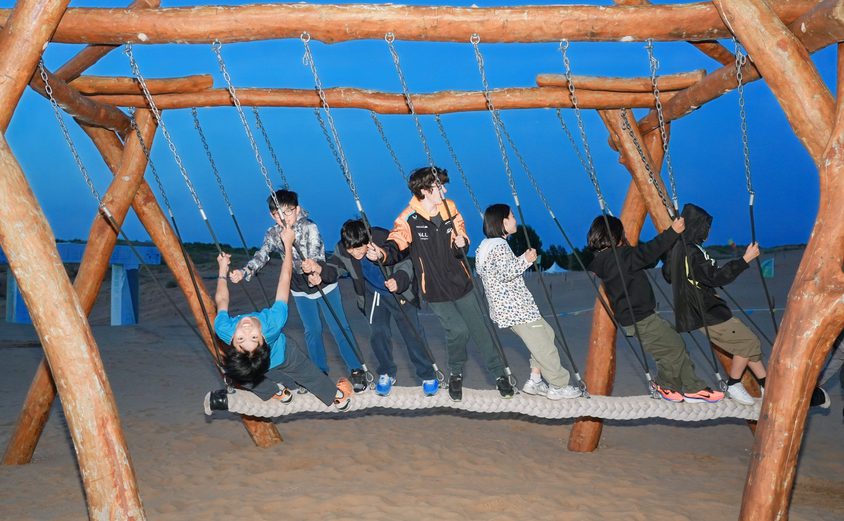
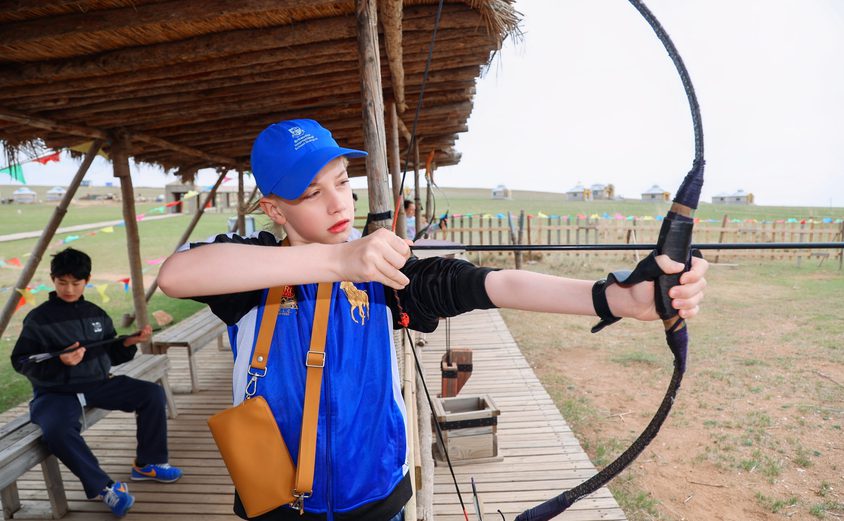
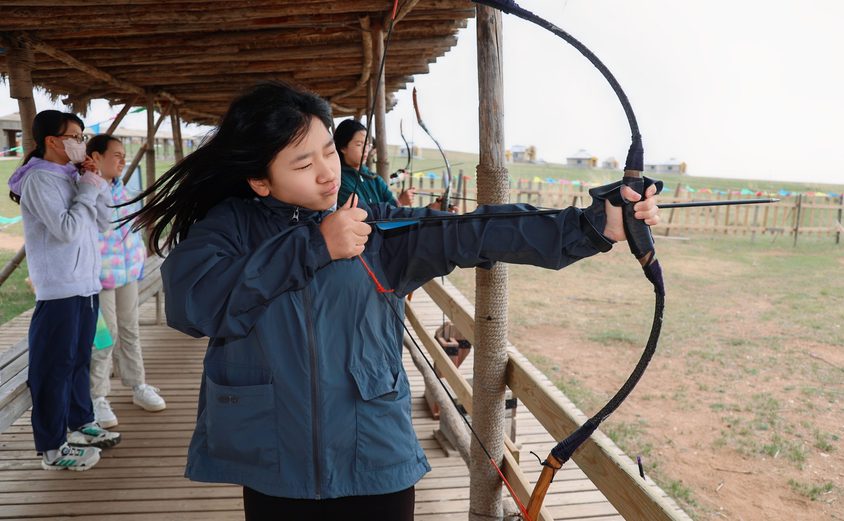
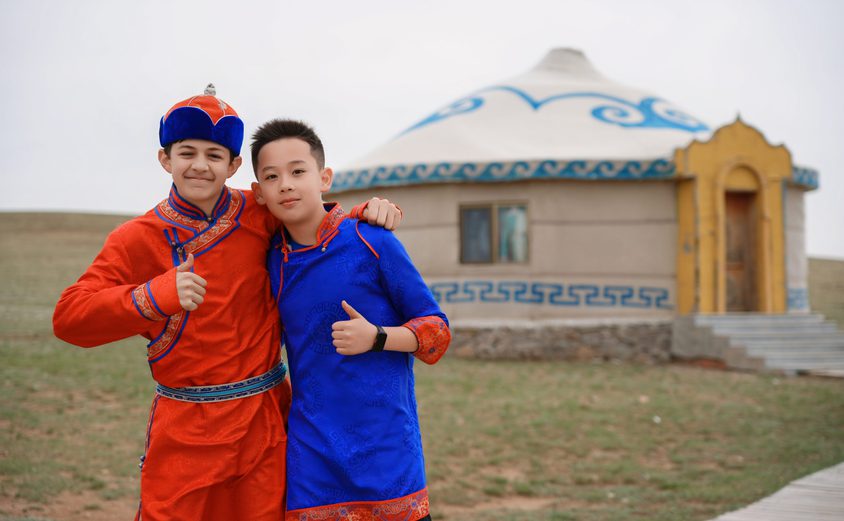
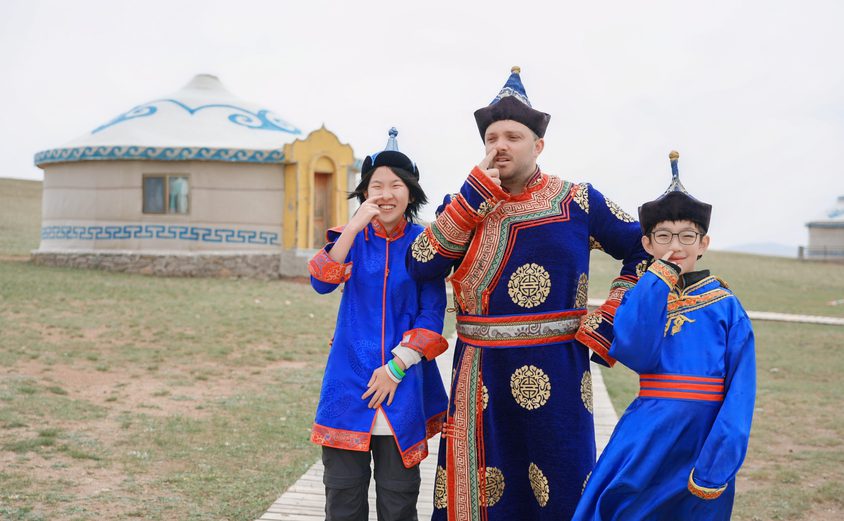
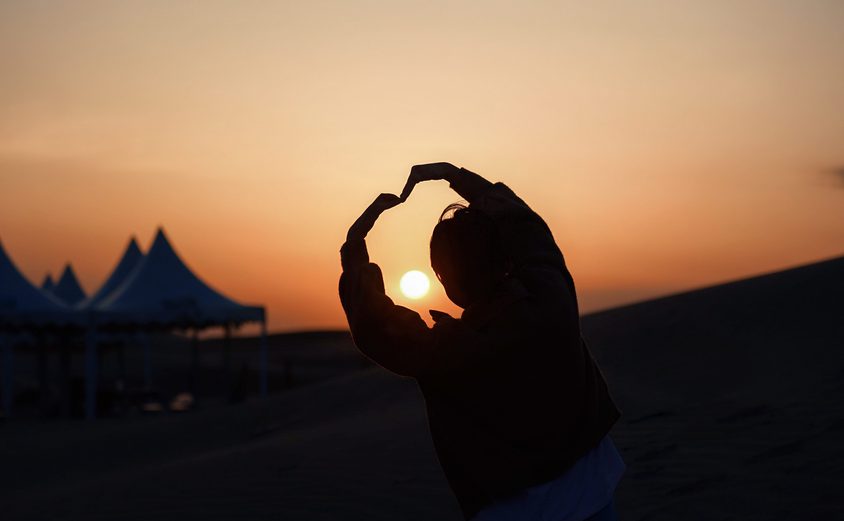
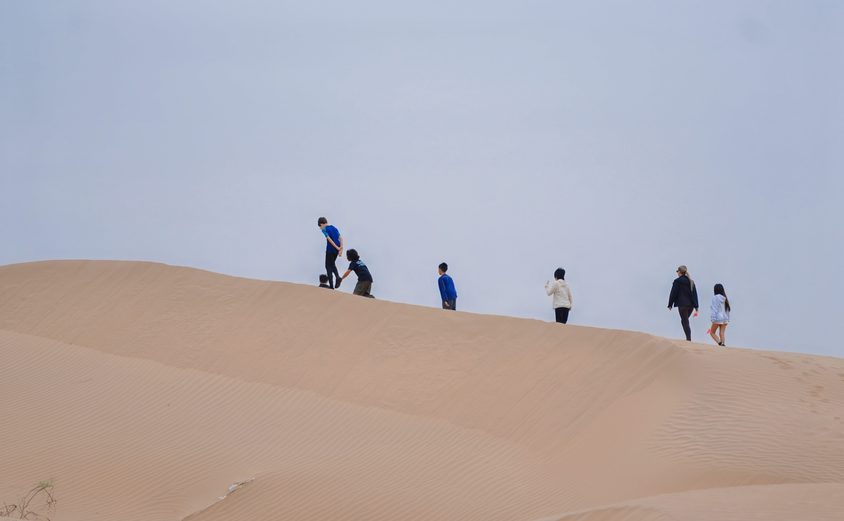
During their time in Inner Mongolia, students engaged in a range of carefully organised activities designed to deepen their understanding of local traditions and landscapes. They participated in the crafting of a traditional horse-head fiddle, gaining valuable insight into Mongolian musical heritage and artisanal practices. The trip also offered a variety of outdoor experiences, including dune surfing and camel riding across the desert terrain, allowing students to fully appreciate the region’s unique geography. Evenings were spent gathered around a desert campfire, providing opportunities for reflection and shared experiences. Students also had the privilege of staying overnight in traditional yurts, offering an authentic perspective on nomadic life. A highlight of the visit was the Mongolian horse show, which demonstrated exceptional horsemanship and illustrated the cultural importance of horses within Mongolian society. Students also participated in planting trees to help combat desertification by stabilising soil and reducing erosion. They saw firsthand how tree planting initiatives protect the landscape, improve water retention, and support local ecosystems. This experience highlighted the importance of sustainable practices in preserving fragile environments for future generations.
Overall, the trip was highly successful in broadening students’ cultural awareness, strengthening interpersonal relationships, and encouraging personal growth. It stands as a valuable example of the impact that experiential learning can have on students’ development.