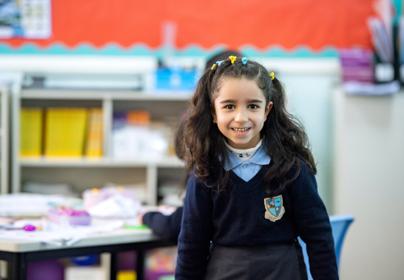
During Anti-Bullying Week, our Primary students explored how their words and actions can help make Britannica a safe, welcoming and inclusive place. Through discussions and practical activities, children celebrated individuality, reflected on the impact of bullying and learned how to seek help for themselves and others.
Anti-bullying education is an important part of children’s development. It helps students recognise harmful behaviour, develop empathy and understand that everyone deserves to be treated with dignity and respect. Crucially, it also gives children the confidence to speak to a trusted adult when something does not feel right. Our message throughout the week was clear: no child should feel that they have to deal with bullying alone.
Wearing odd socks provided a colourful reminder that being different is something to celebrate. Children explored how everyone has their own interests, talents and personalities, just as socks come in different colours, patterns and sizes. This simple activity encouraged students to value what makes each person unique and recognise that differences should never be a reason to exclude someone.
Through Kindness Slips, students wrote short, thoughtful messages to friends, classmates, teachers and other members of staff. These notes encouraged children to recognise the people who support them and consider how kind words can help others feel appreciated.
Our Kindness Bingo challenge turned these ideas into everyday actions. Throughout the week, children worked through tasks such as helping a classmate, playing with someone new, giving a compliment, asking someone how they felt and celebrating another person’s success. The challenge highlighted that even small gestures can make a meaningful difference to someone’s day.
Class discussions explored physical, verbal, social and online bullying. Students considered how repeated hurtful behaviour can leave someone feeling sad, frightened, lonely, embarrassed or unsafe.
Children also identified trusted adults they could approach and discussed how to explain what had happened, where and when it occurred, who was involved and how it made them feel. We reinforced that reporting bullying is not “telling tales”; it is asking for help to keep people safe. Students were encouraged to seek support whenever they felt hurt or worried, even if they were unsure whether a situation was bullying.
Another important focus was being an upstander: someone who helps rather than simply watches. Children explored safe ways to support others, including inviting someone to join an activity, offering friendship and getting help from an adult.
Each class contributed ideas towards our Britannica Primary Anti-Bullying Charter. Students discussed what bullying is, how it affects others, how to report it and how to respond safely. They also proposed shared promises about kindness, respect and inclusion.
These contributions will be brought together to create a school-wide charter that reflects our students’ voices and our commitment to a safe and happy learning environment.
Anti-Bullying Week is an opportunity to strengthen these messages, but the learning does not end when the week finishes. We will continue to reinforce them through our daily interactions and pastoral support.